«Diario de Fábrica» (Factory Diary) is an audiovisual project that investigates the impact of industrial labor on artistic activity, intertwining the perspective of philosopher Simone Weil’s description of Fordist labor with contemporary thought on the precariousness of culture.
“Factory Diary” is also the title of Simone Weil’s exhaustive and intimate account of her work as a factory worker during 1934 and 1935, an experience she sought out to confront her theories on the condition of workers with reality. The writings collected in this book, besides meticulously depicting the gradual degradation of her feelings of dignity, consciousness, and self-esteem due to the oppression of alienating work, constitute one of the most insightful contributions to contemporary reflection on labor.
The Factory Diary project comprises a collection of records, interviews, archival material, testimonies, gestures, and reflections that is conceived as a living audiovisual repository, capable of being activated in installations or performances.


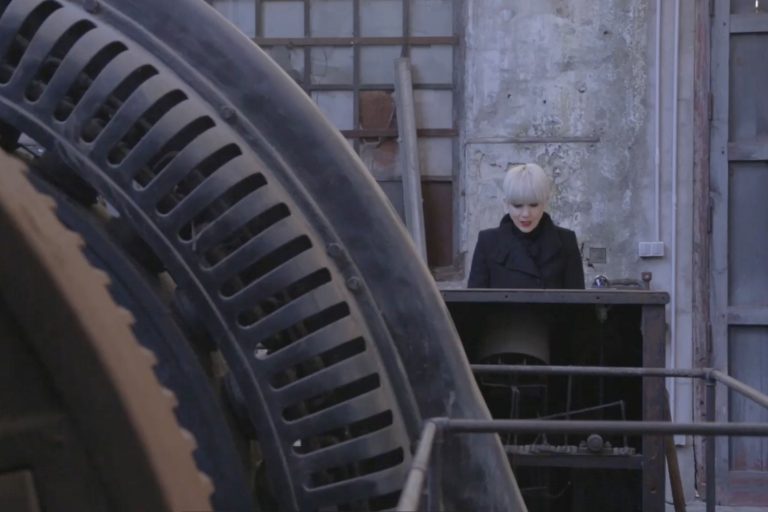
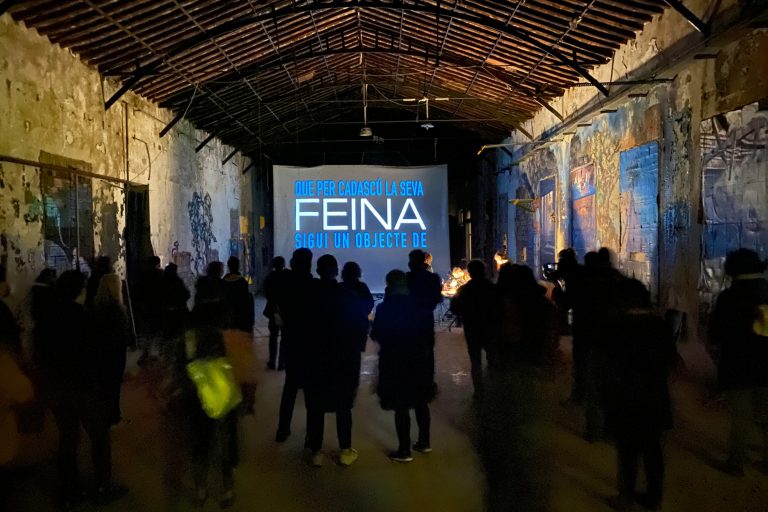
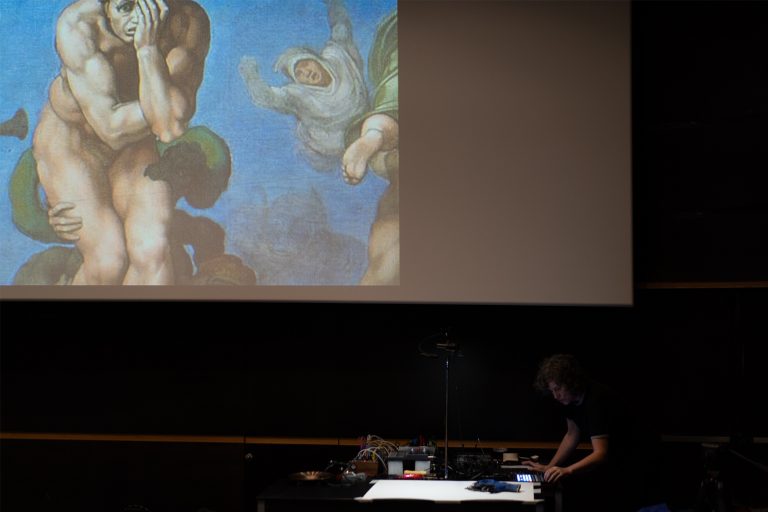
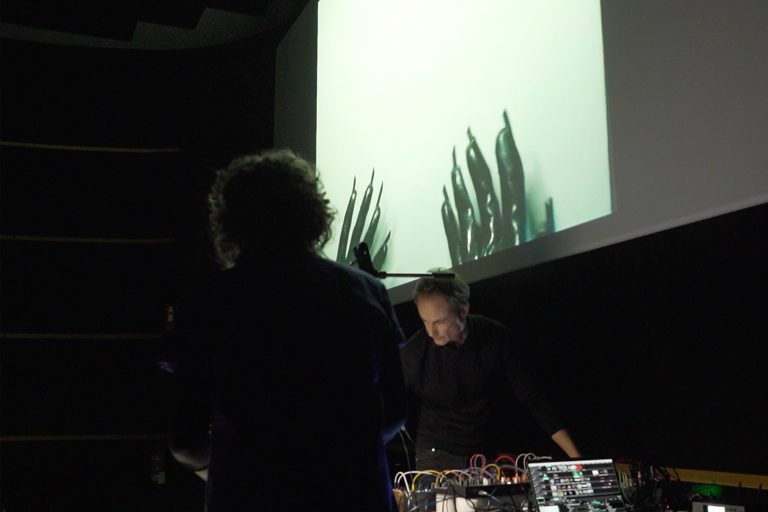
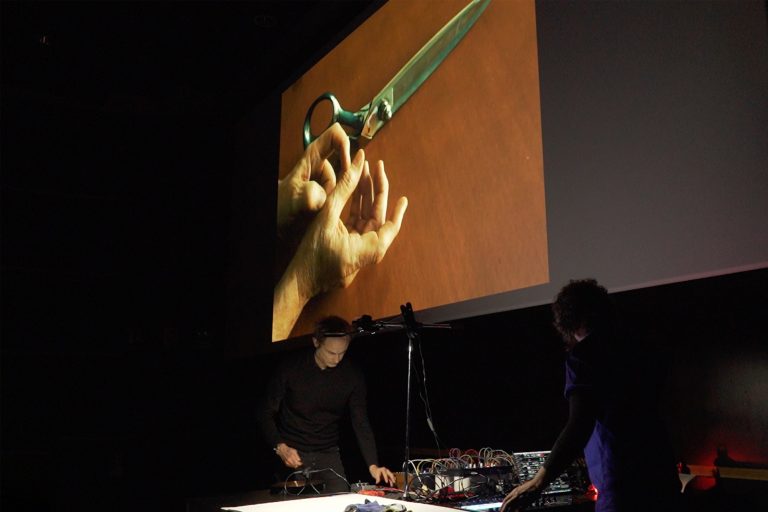
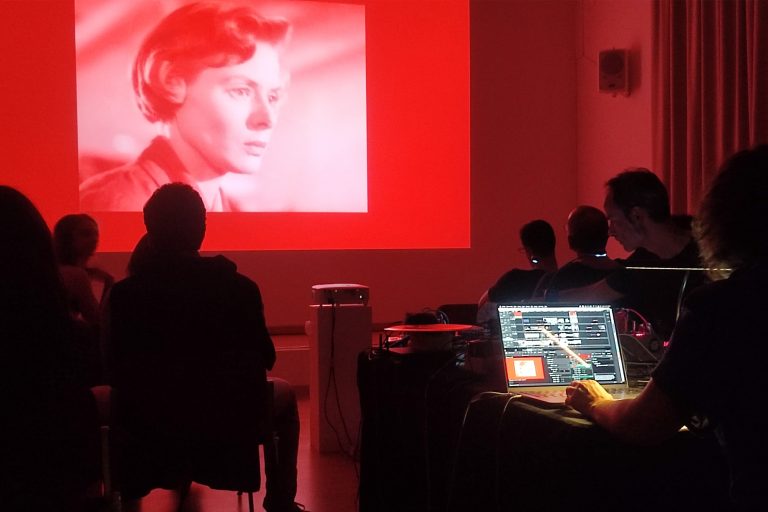
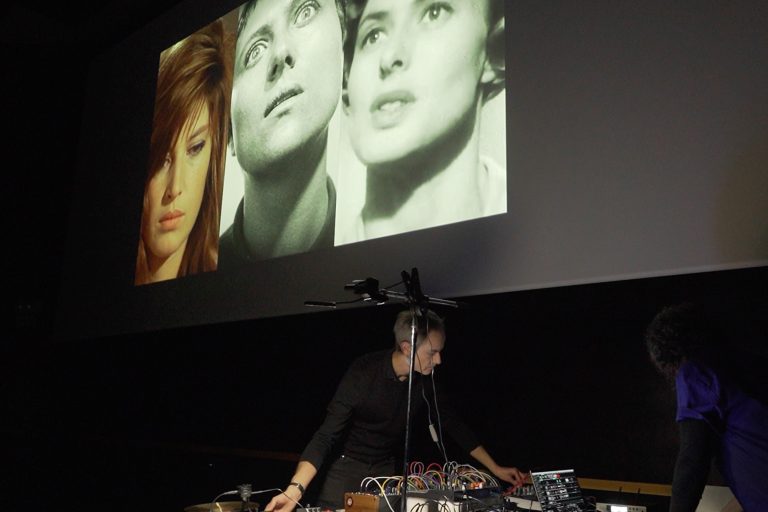
Strange Body Watching, proposes a session of spoken cinema with live editing and music, one of the formats in which the open project Factory Diary is activated. It draws on the intersection of Roberto Rossellini’s gaze in “Europa ’51” with Simone Weil’s working-class experience.
In a sequence from the film Europa ’51, the protagonist, Irene Girard, watches in horror as hundreds of people enter the factory as if into hell. Girard’s character is inspired by the thinker Simone Weil, who worked for a year as a factory worker at Renault in the 1930s. Irene Girard’s (and Weil’s) emotional, social, and spiritual journey in the film corresponds to a symbolic and downward path through the city, from the bourgeois center/heaven to the peripheries of the inferno of repeated gestures: the factory, the prison, and the mental institution.
The diagram of Dante’s Inferno, or that of Rome in Europa ’51, was easy to trace in its center-periphery rings, but the contemporary inferno seems to have no stable peripheries and does not allow an “outside” from which to be horrified.
Each session of the performance is unique; the editing of video material and actions varies on each occasion, and the music by Óscar G. Villegas is also created in real-time as a living soundtrack.


In 1964, Luigi Nono composed his opera “La fabbrica illuminata.” In it, he recorded acoustic material from the manufacturing processes in the blast furnaces of the Italsider steel factory and also captured the workers’ voices. Nono dedicated the opera to the workers of that factory to denounce their harsh working conditions.
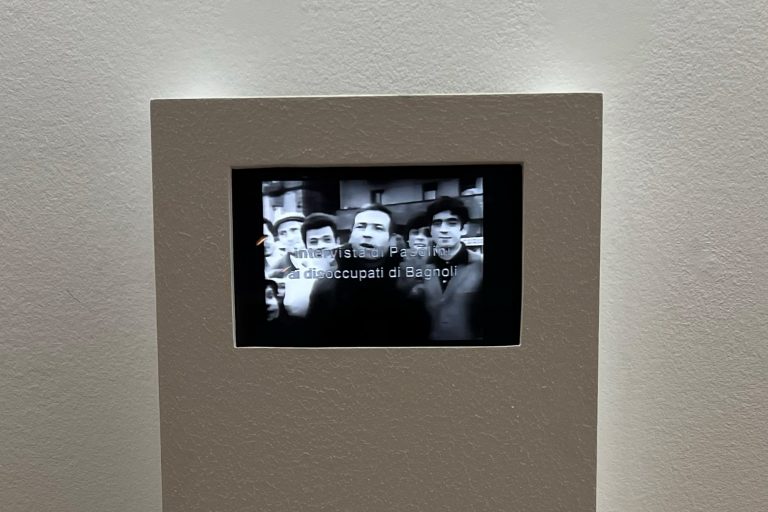
A few years later, in 1970, outside one of the Italsider company locations, Pier Paolo Pasolini interviewed a deaf unemployed worker. In response to the director’s questions (how many unemployed there were, who they were protesting against…), the worker replied not so much in sign language but with the pure expression of gestures from an open struggle. The scene was criticized at the time by some militants, who saw it as a degrading image.
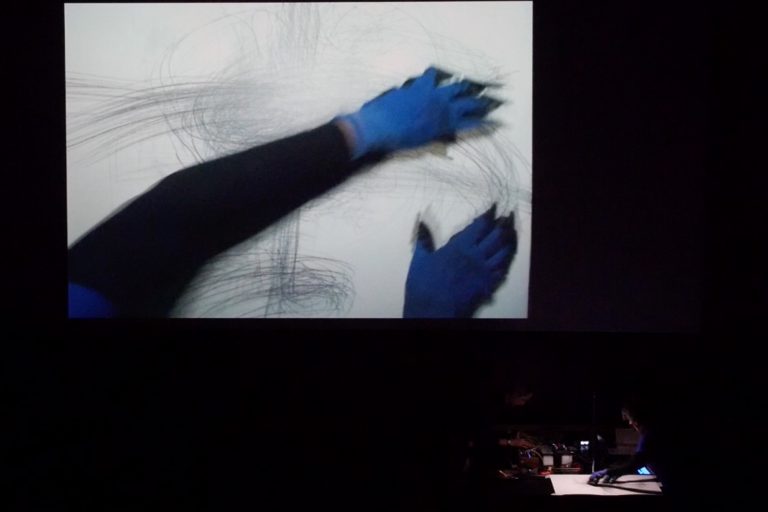
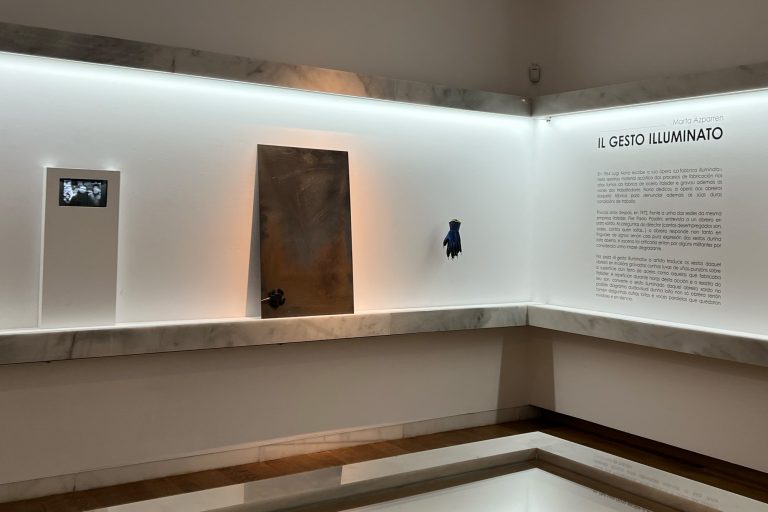
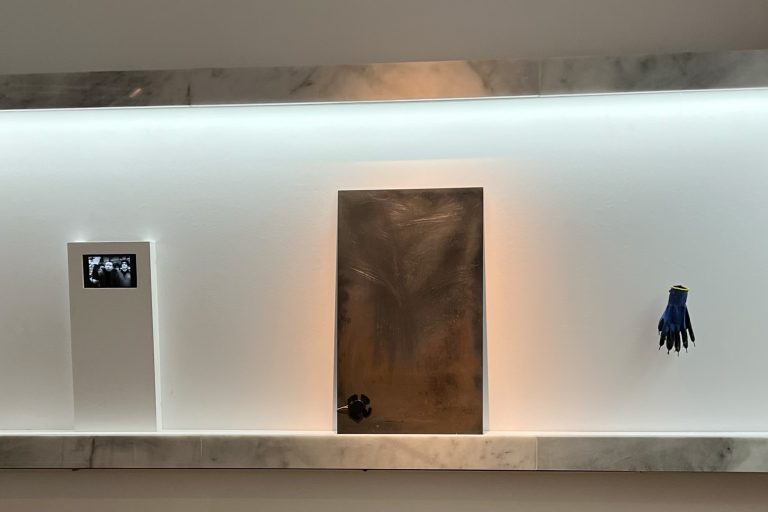
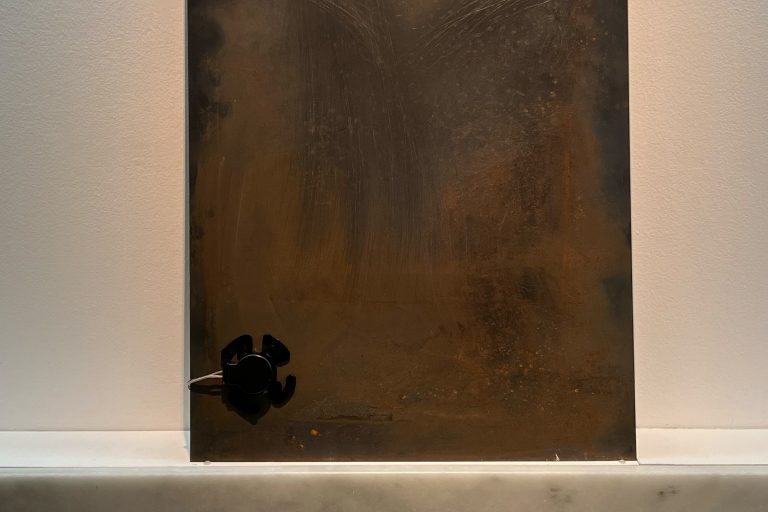
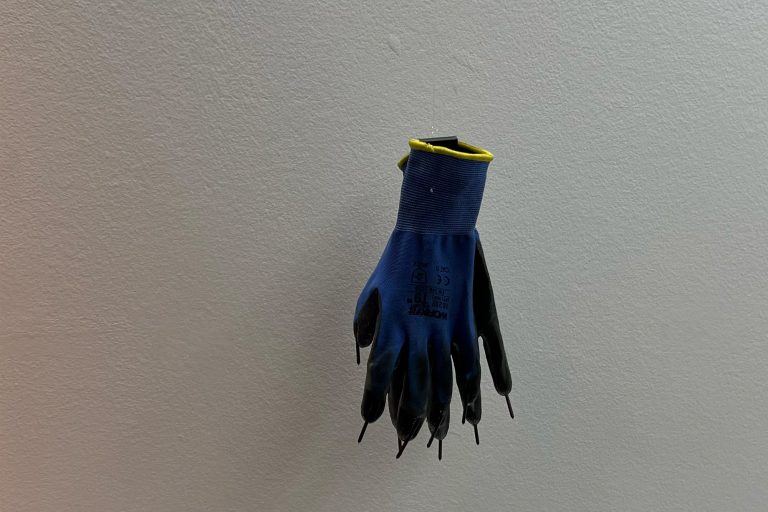
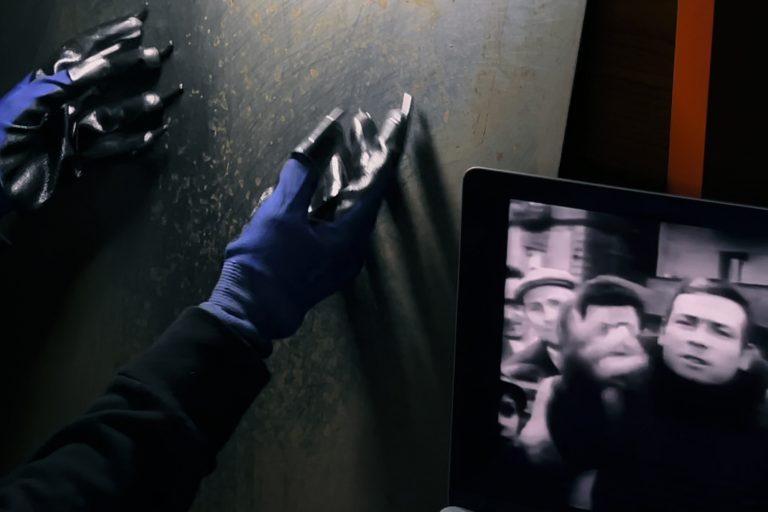
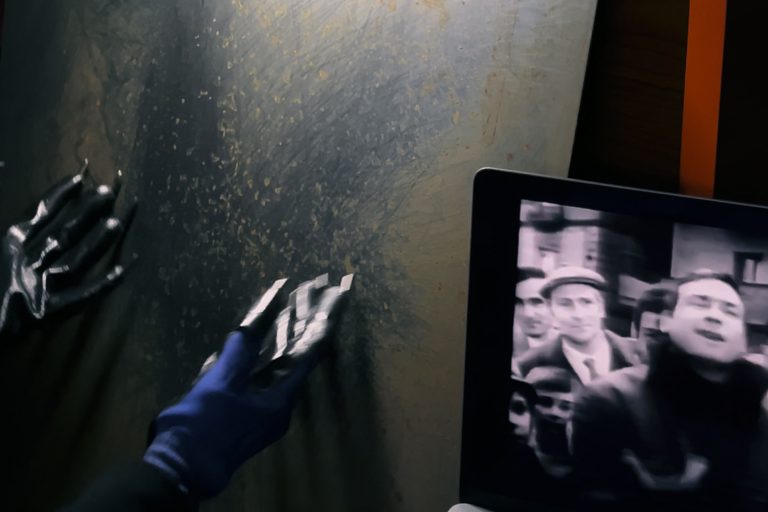
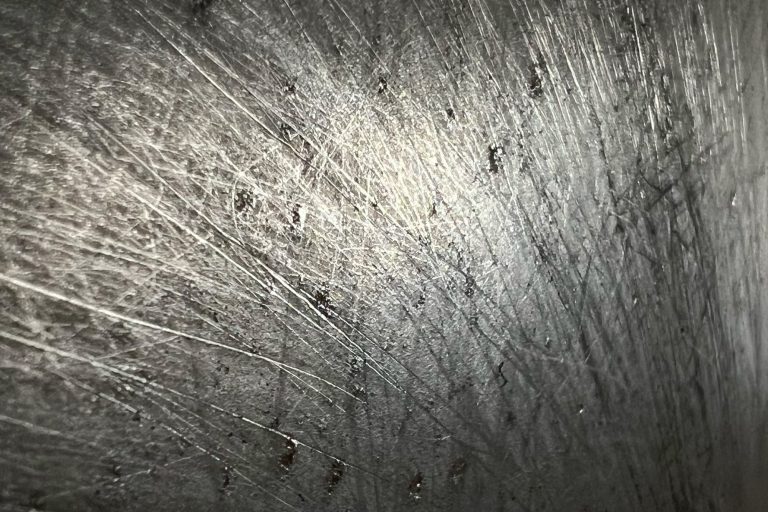
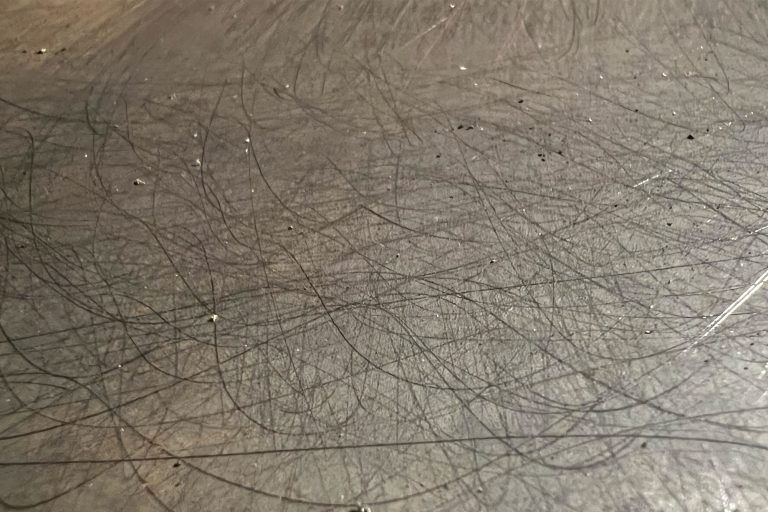
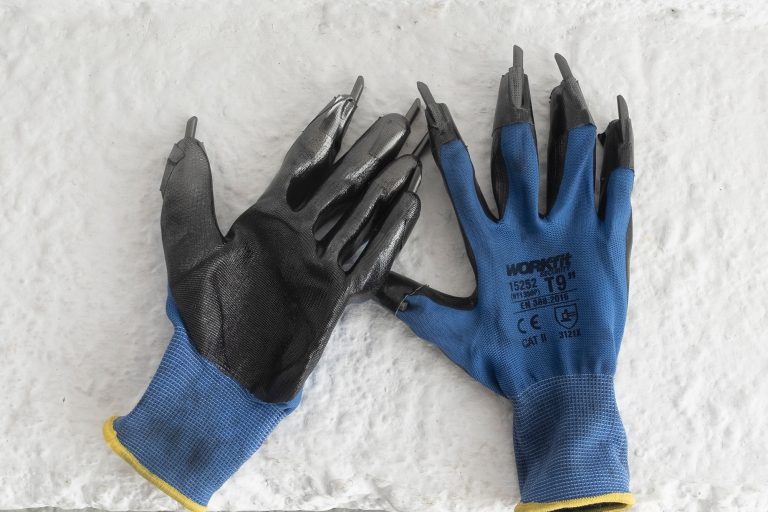
In the piece “Il gesto Illuminato”, the artist translates the gestures of that worker into engraved incisions made with gloves equipped with nail-punches on the surface of a steel plate, similar to those produced by Italsider. The repetition of this action over hours and the recording of its sound transform the illuminated gesture of that deaf worker into the possible audiovisual diagram of a struggle, not only for workers but also for other parallel struggles and voices that remained invisible and silent.
Work commissioned by the Resis contemporary music festival.
TECHNICAL DETAILS
2024 Audiovisual installation: black steel plate (100×133 cm) with engraved incisions and sound, work gloves with nail-punches, screen with a looping projection of a fragment from the documentary “12 dicembre” by Lotta Continua in collaboration with Pier Paolo Pasolini (1970).
Audio: Óscar G Villegas


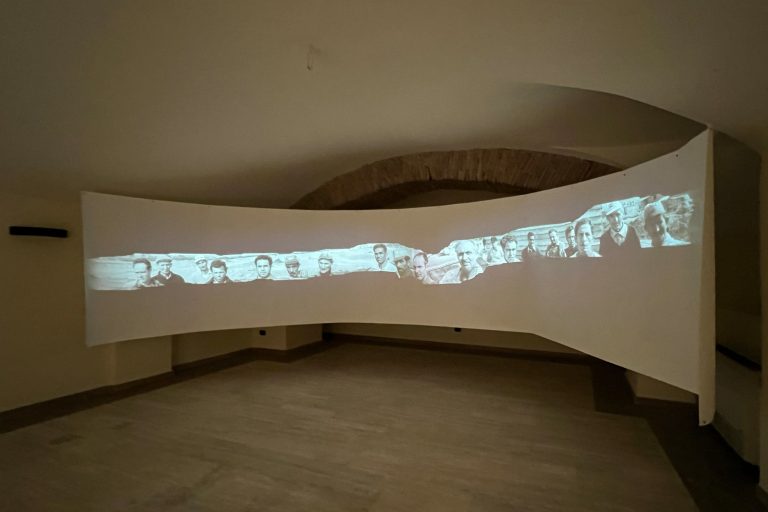
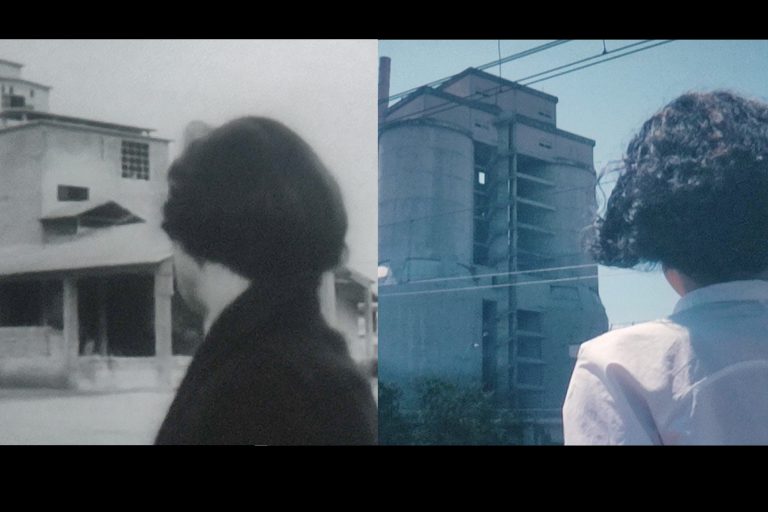
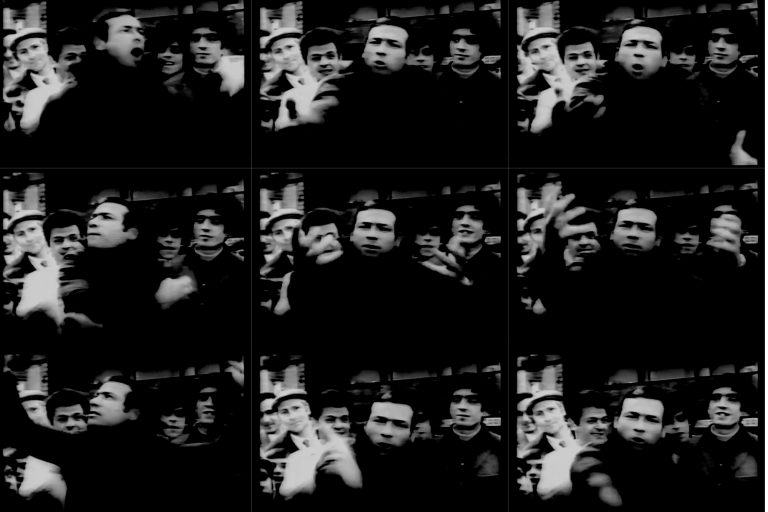
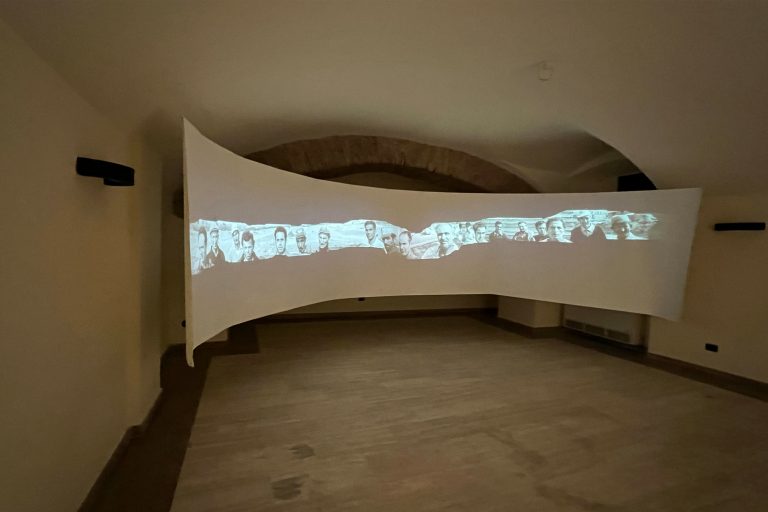
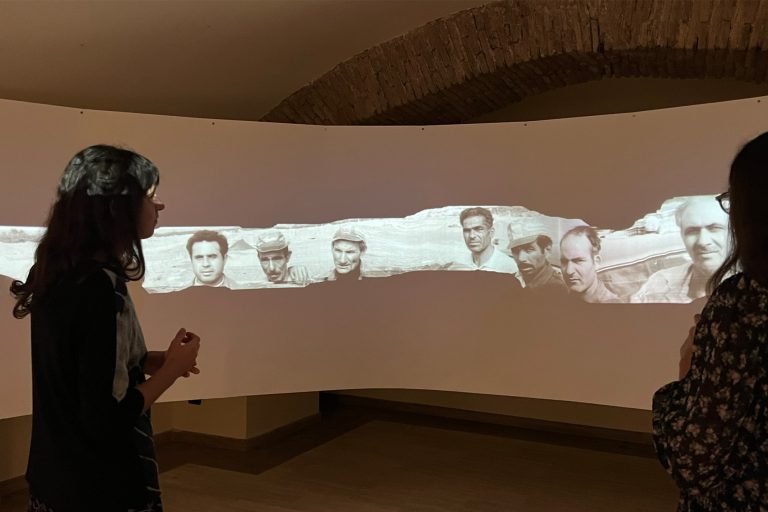
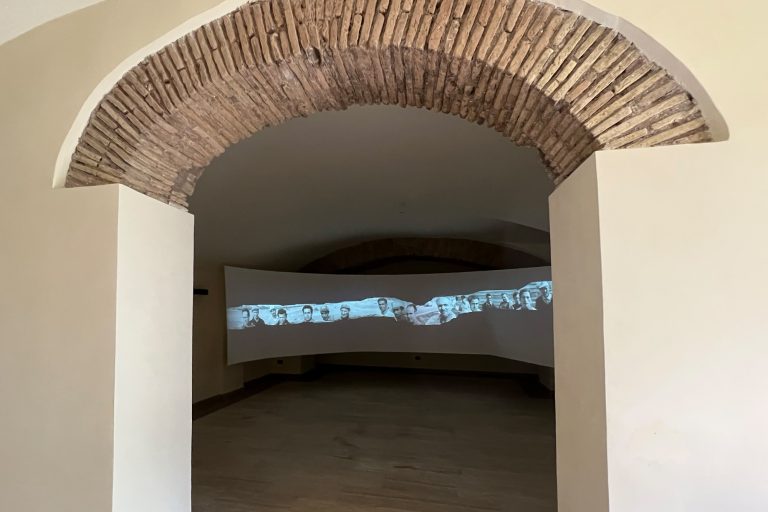
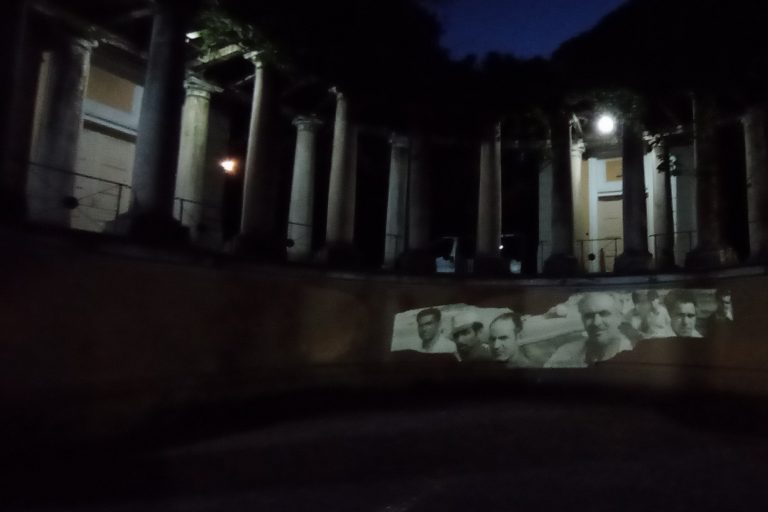
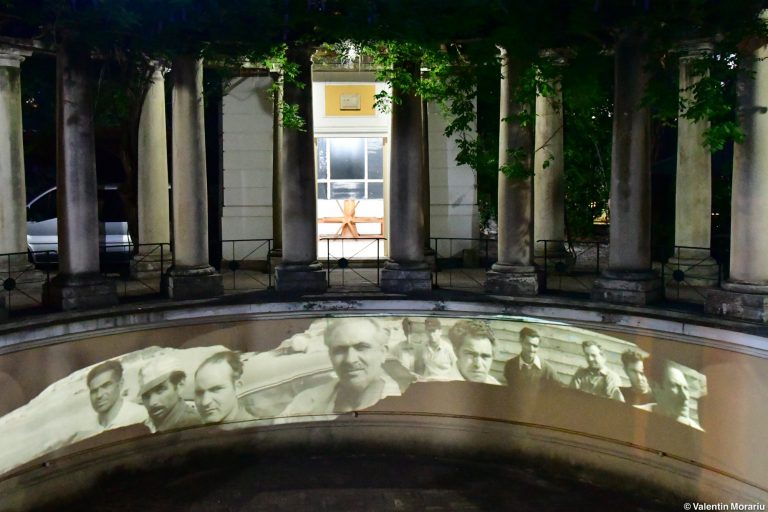
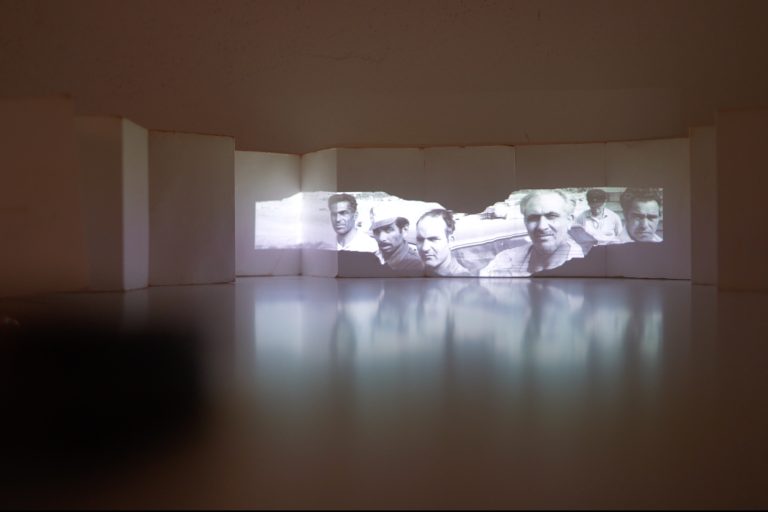
This piece is based on a documentary from the AAMOD archive (Archivio Audiovisivo del Movimento Operaio e Democratico) about Reggio Calabria. It is a sequence shot filmed at a factory site during the first assembly that took place after the uprising in the region in 1970. A group of workers gathered in a circle listens to the union representative as the camera pans across their faces, one by one.
As Pasolini says, the time of the sequence shot is always the present; expanding each frame into space, as a trace of movement, could be an attempt to make present continuos. The viewer is enveloped by the circle of working faces and bodies, confronted by gazes that cannot be neutral.
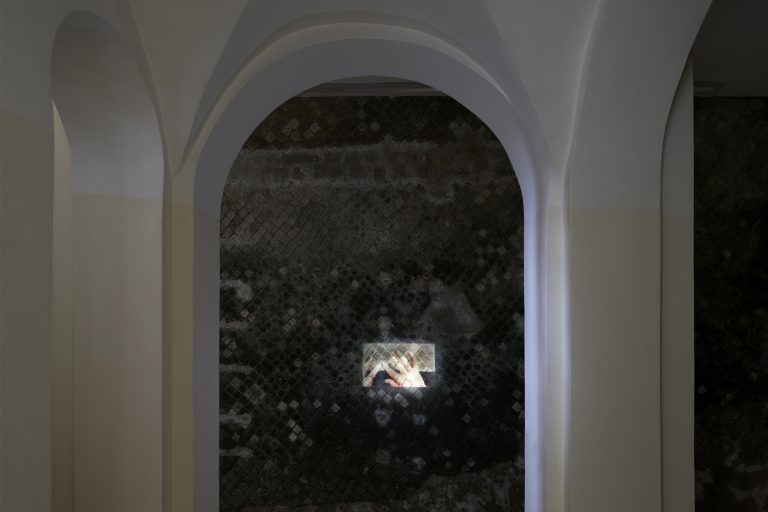
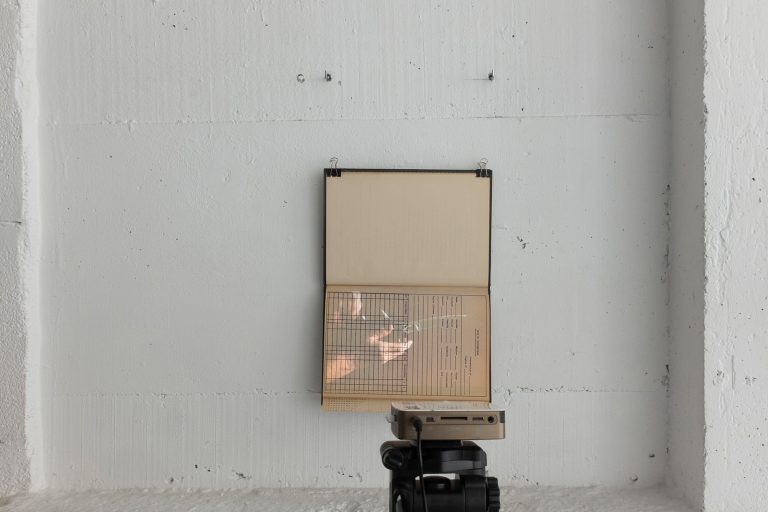
On the opposite wall, the gesture of the author’s hands manipulating and placing the more than 2000 frames of the video on a computer is projected. A choreography of the loop, like those on a factory assembly line, this time in cinematic montage.
The intervention consists of fixing and expanding each frame of the sequence shot into space, leaving a trace of the camera’s movement. The last frame we see shift is the active one, the one we would see on a cinema screen; the rest are the traces of that camera movement, the line drawn and hesitated over by the camera operator’s hand.


TECHNICAL DETAILS
A.
Video on paper, B/W (variable dimensions depending on space)
2022
2’ (looped)
Intervened fragment of the original video “Reggio Calabria” provided by AAMOD.
B.
2022
Video projected on the wall opposite the previous one, color
15’ 48”
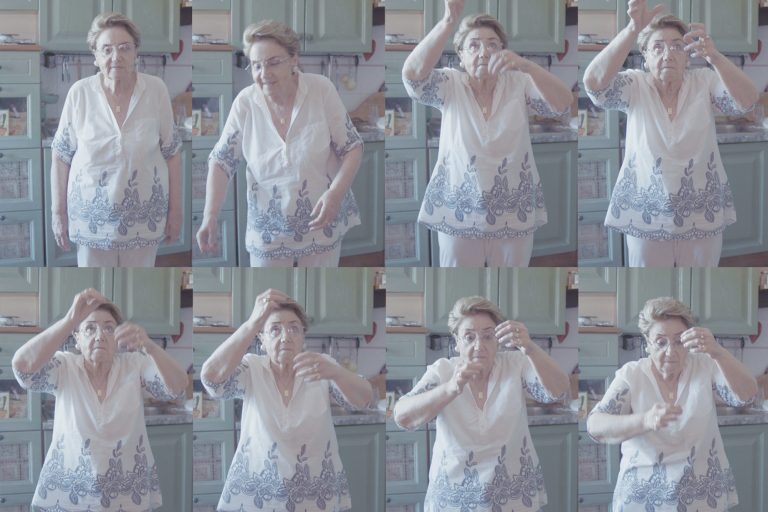
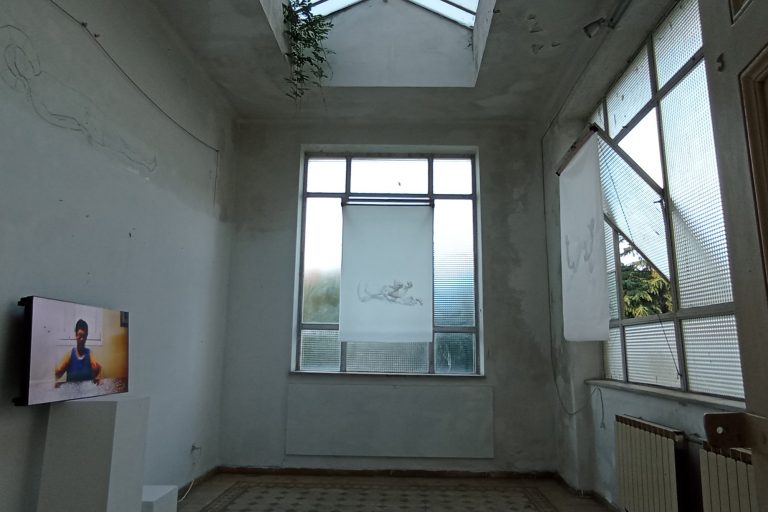
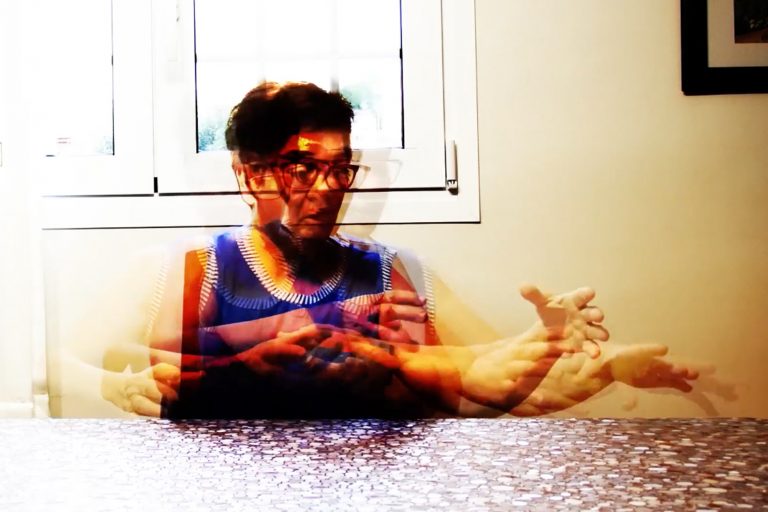
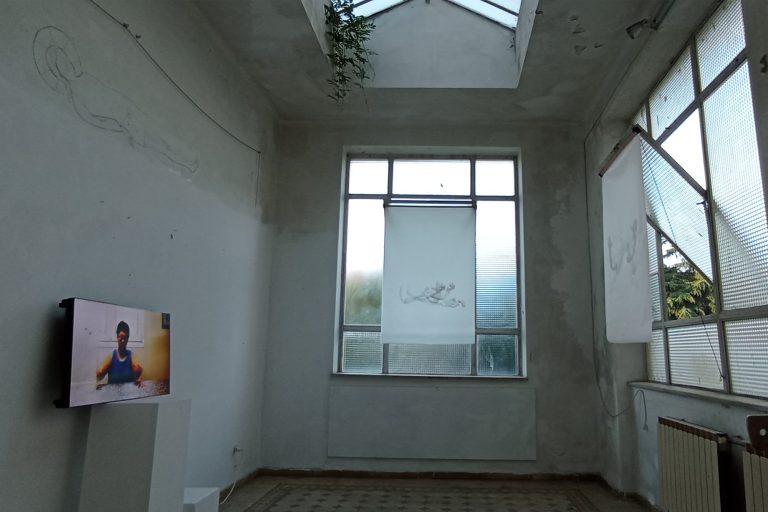
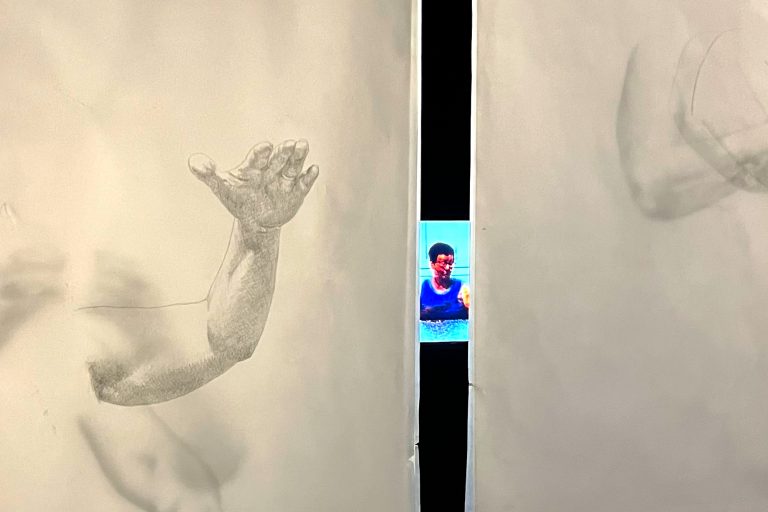
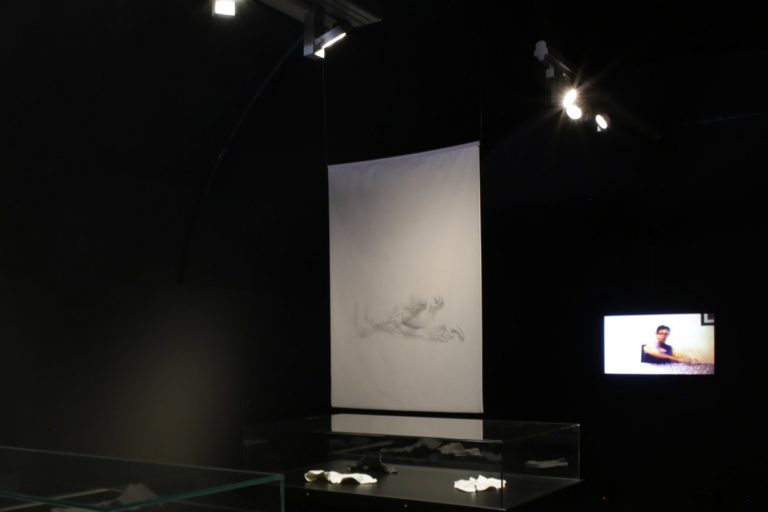
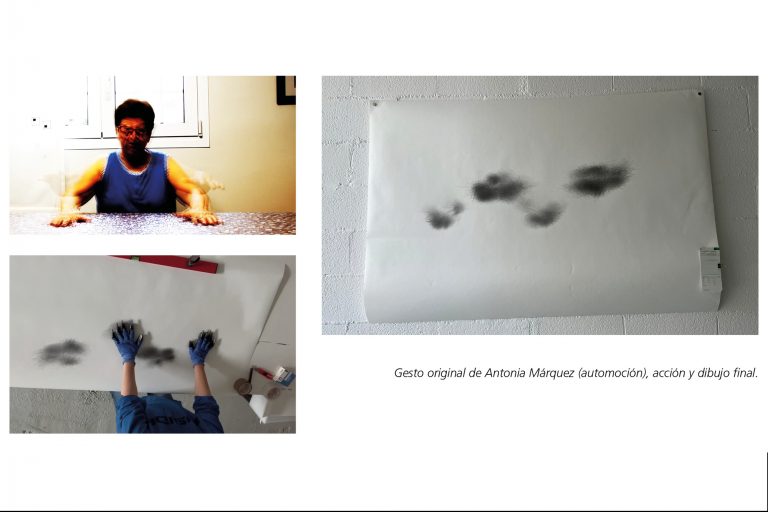
In “Diari de Fàbrica: Toñi,” the camera records, the repetitive gesture of Antonia Márquez García, Toñi (San Fernando, Cádiz, 1953), repeated over years of work in the automotive industry—the same sector to which Simone Weil dedicated a year of her life. The superimposition of the layers of repetitive gestures that Toñi performs in front of the camera, speaks about the precision of an action repeated and ingrained in the body over endless workdays.
The rhythmic pattern of her testimony made of repeated actions generates a sound piece (intervention by musician Pablo Martín Jones) that accompanies the image of the gesture layers.
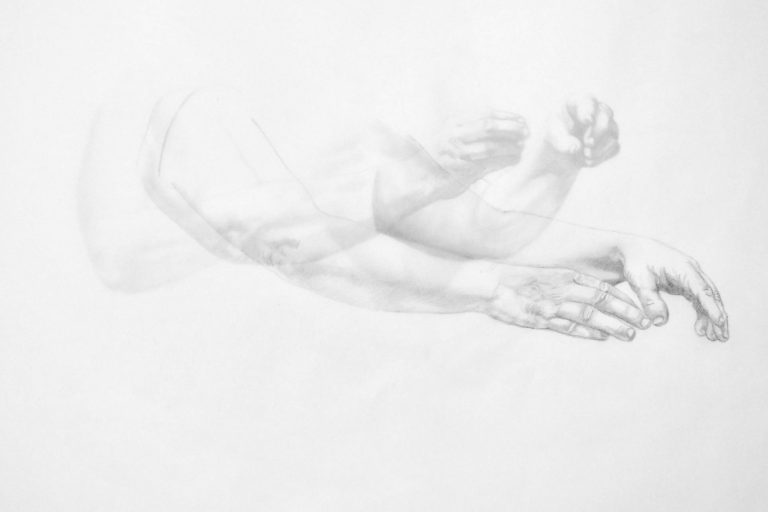
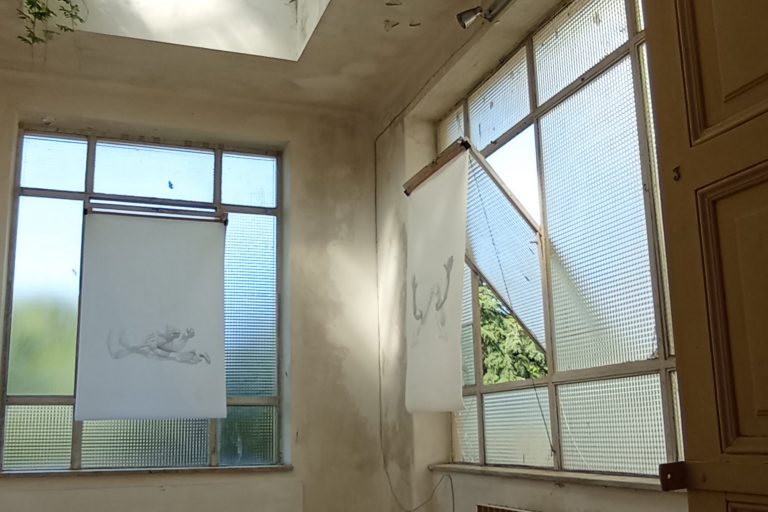
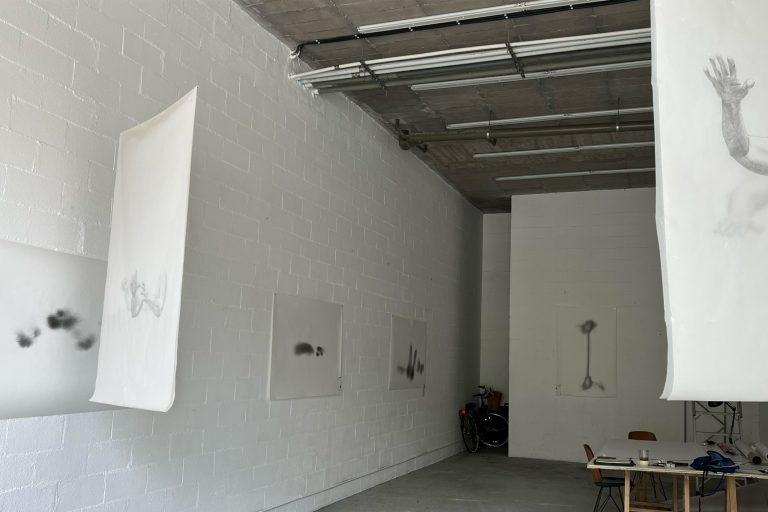
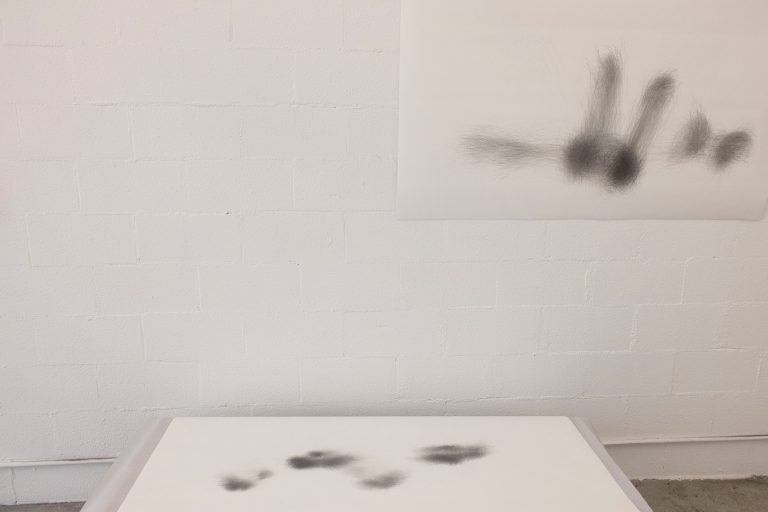
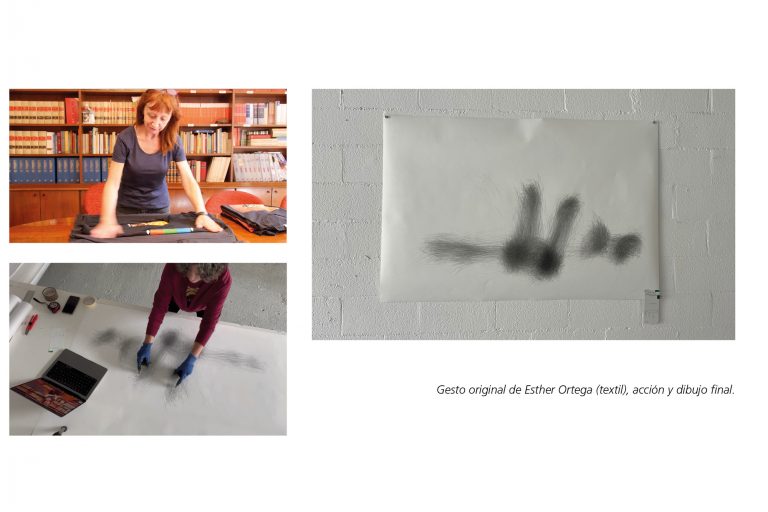
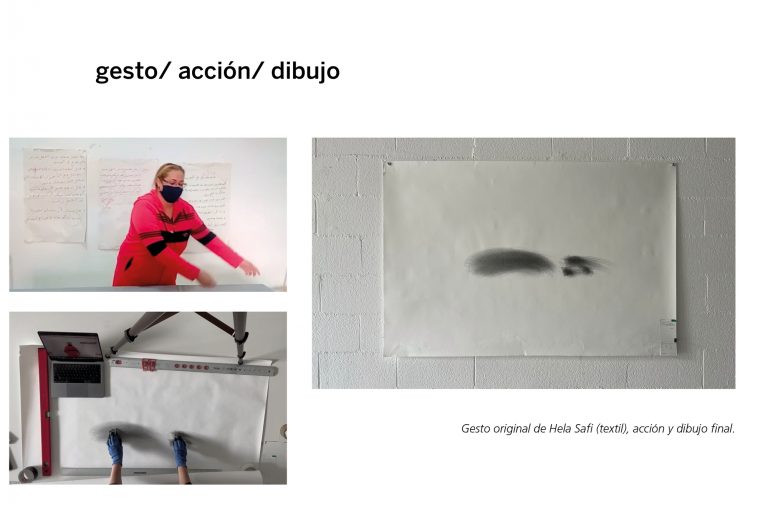
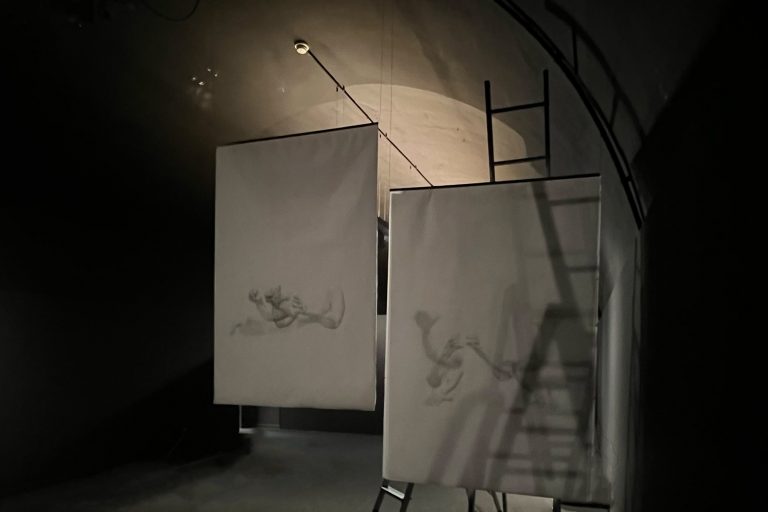
The installation is completed with two series of drawings on tracing paper, where the choreography of Toñi’s hands are superimposed as “keyframes”. Here, the mechanical repetitive gesture of drawing, as a serialized artistic practice, also emerges as a mechanism for producing frames like an assembly line work.


TECHNICAL DETAILS
Video
2021
04’50’’ loop
Sound Intervention: Pablo Martín Jones
Video at Hamaca catalog
Drawings
2022
Graphite on tracing paper
Two series of three superimposed drawings each.
Dimensions of each: 110 x 165 cm
‘Diari de fàbrica: Toñi’ at the ‘Spazi aperti’ in Rome
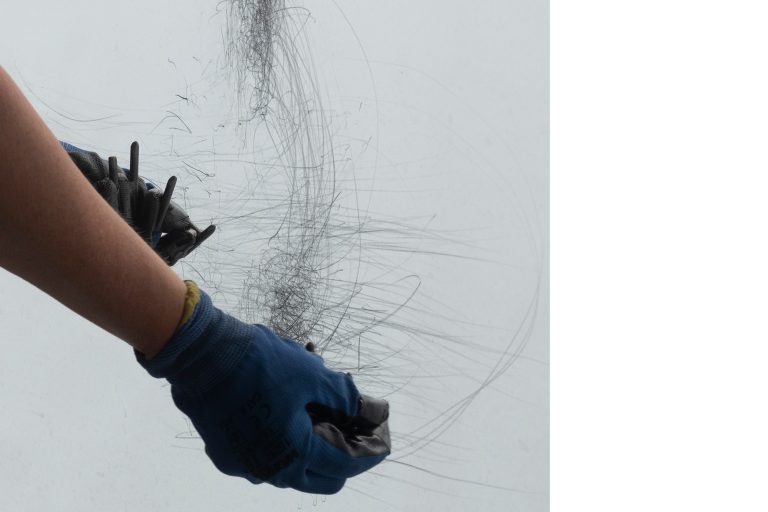
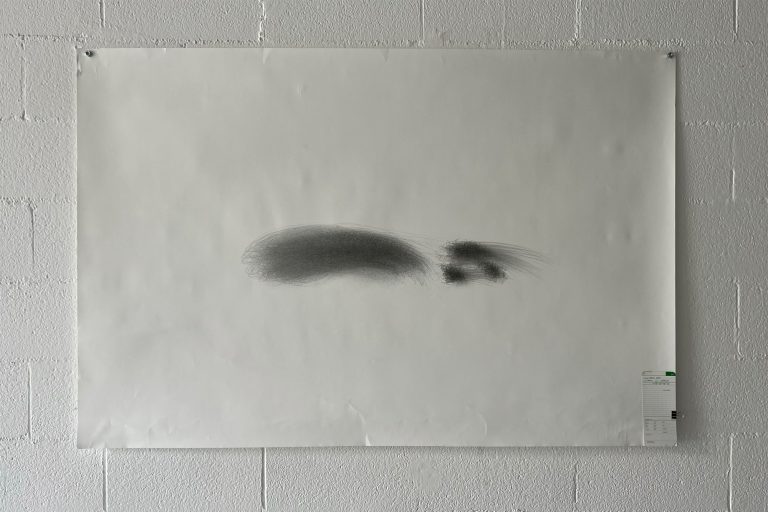
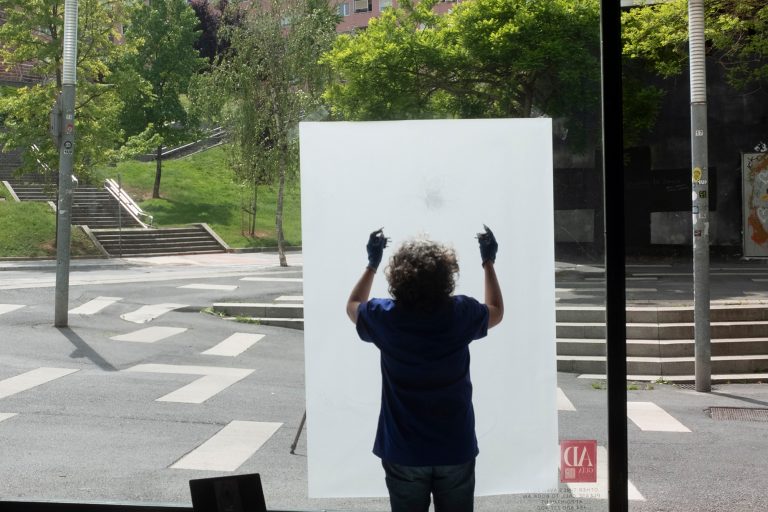
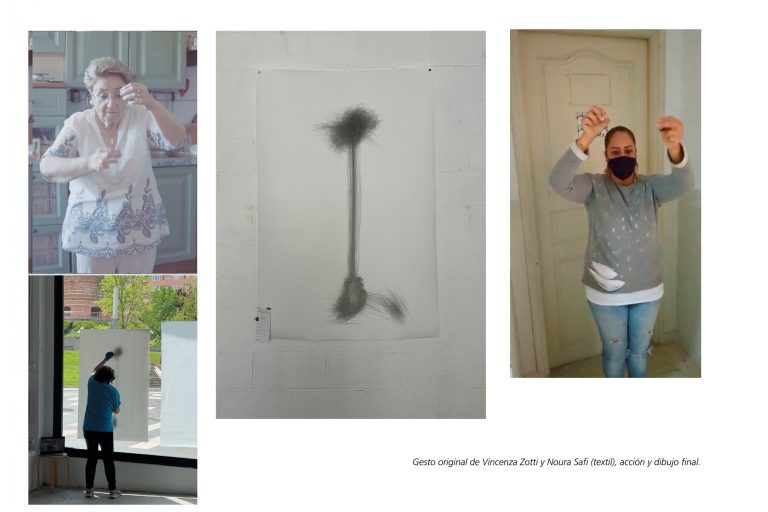
Drawings are made by an action where the artist copies the gesture shared by the worker’s testimony and translates it, using gloves with graphite nails, into an accumulative drawing by layers of repetitive work generated during a specific amount of hours. Each drawing includes a cardboard card, an original punch card that records the hours spent making the drawing.
The drawings in this series suggest the relationship between factory work and artistic practice. An artist who clocks in without schedules, with no distinction between life and work, occupying the spaces that were once factories now converted into creation industry; in neighborhoods where artistic and cultural activity helped to gentrify.


The project Diario de fábrica was awarded the Spanish Academy in Rome Scholarship for Experimental Cinema in 2022 and the Generalitat de Catalunya Research and Innovation Grant in 2020. It completed the “Transperiferias” Art i Territori residency at La Escocesa Fábrica de Creación in Barcelona, curated by Idensitat, and the joint residency at the La Neomudéjar museum and the Aldama Fabre gallery in Bilbao in 2023.
Contributors to the “Diario de Fábrica” Project
Creation and Direction: Marta Azparren
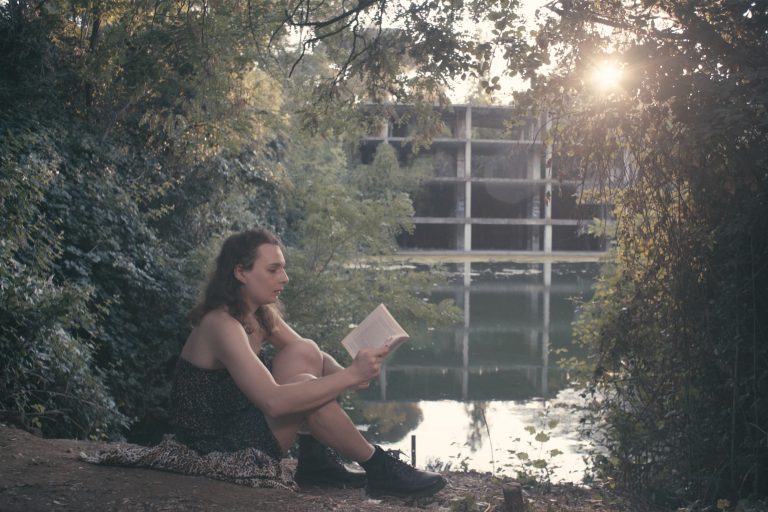
With special collaboration from Remedios Zafra and Viola Carofalo, and Monica Gutierrez as Simone Weil.
Testimonies, gestures and interviews with:
Antonia Márquez García, Lidia Ortega Blasco, Ester Ortega Blasco, Vincenza Zotti, Luna, Romana Recchia Luciani, Maravillas Durán Fernández, María Fernández Tigre, Teresa Fernández Tigre, Carmen Pabón Carbonero, M. Gracia Samaniego Chacón, Albert Güell Juanola, Noemí López Larroya, Ohiana García Acín, Juan Francisco Segura, Wissal Bel Hadj, Oubaida Bdiri, Nessrine Chabbah, Noura Essefi, Sana Hammouda, Samiha Lammouri, Instissar Lattoui, Hela Safi, Noura Safi, Alija Soussi, Women of the SOBREF Textile Cooperative in Mahdia (Tunisia), Sara Margherita Artemis, Tomás Rabadán, Alberto López Cuenca, Toni Miralda, Santi Eraso, J. Luis Moraza, Maral Kekejian, Cristina Esteras, Sara Braschi, Sofia Sebastianelli, Felipe Martin del Rosario, Daniel Assedu Mobajale, Juan Agustín Nve Oyono Nzang, Jacqueline Lacasa, Rosa Yagüez, Alfredo Puente, Zaida Llamas Álvarez.
Music performance: “Soy el cuerpo extraño que mira”: Óscar G Villegas
Other musics: Pablo Martin Jones, Pau Escutia
Roma/Colleferro/Nápoles Team: Kottomfilms: Elena Goatelli and Angel Esteban, Elena Iannaccone, Mónica Gutiérrez, Almudena Ramirez-Pantanelli, David Bestué
Madrid Team: Camera: Irene Navascués Cobo. Sound: Óscar G. Villegas. Production: Sergio Herrero Serradilla.
La Puglia Team: Leire San Martín, Rakele Tombini, Isotta Geraci
Acknowledgments: AAMOD, Museo La Neomudejar, Aldama Fabre Gallery, Juan Francisco del Valle, Rakele Tombini, Renzo Rossi, Ana Arranz, ACPP, Fanny Rabadan, Residencia de Estudiantes, Silvia G. Márquez, Víctor Mora, Sandra Cendal, Emilia González Martín del Río, Ignacio Yuste, Sion Serra, Susanna Barranco, Marc Villanueva Mir, Roc Domingo Puig, Elisenda Triadó, M|A|C Presó, Can Marfà Museu de Mataró.
And all the team and fellows at the Royal Spanish Academy in Rome 2022.